
 Kenneth Glad
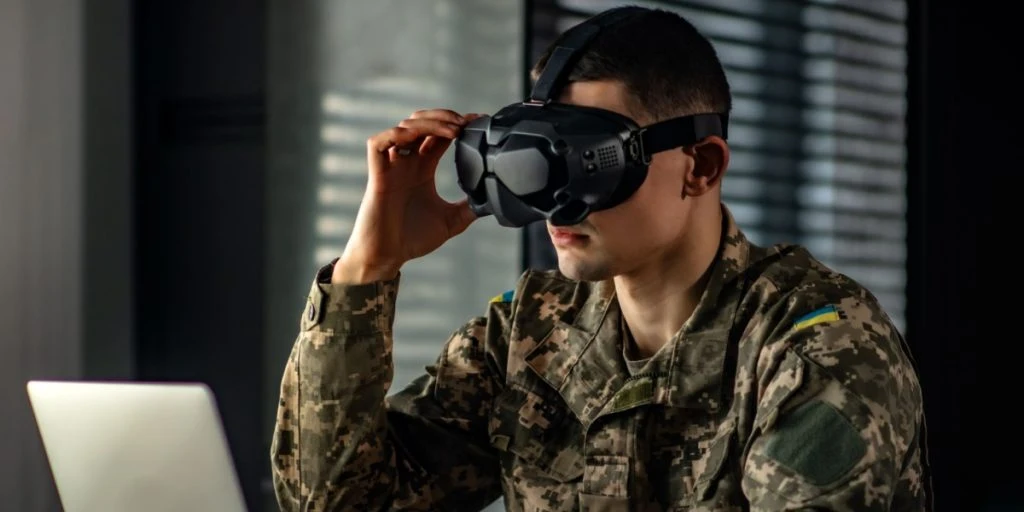
A new development highlights ongoing changes in how modern conflicts are conducted. Recent operations point to increasing reliance on technology that allows greater distance between personnel and combat zones.


Officials said the interception took place on March 24 during a large-scale wave of aerial attacks involving Russian Shahed drones. The system was operated from a location far removed from the launch site, according to official reporting.
The Ukrainian state platform United24 reports that the interception was performed using a long-range control system, allowing crews to engage targets without remaining near exposed positions.
Shahed drones have been used extensively by Russia throughout the war to target cities and energy infrastructure. Their relatively low cost and ability to travel long distances have forced Ukraine to rely on layered air defenses, including mobile teams and short-range interceptor drones.
Oleksandr Kamyshin, former Minister of Strategic Industries, said he witnessed the operation:


“This morning, I saw with my own eyes Litavr pilots remotely piloting an interceptor drone. A Shahed was shot down – the first confirmed remote interception! This is a turning point for our air defense.”
Remote operation expands
The drone used was identified as a Litavr interceptor, equipped with long-range piloting technology developed by Wild Hornets, as reported by United24. Unlike earlier systems, operators no longer need to stay close to launch sites.
Wild Hornets has, according to L’Independant, indicated that pilots can work from protected indoor locations. In material released by the company, one operator is shown controlling the drone from a hotel room while tracking an aerial target in real time.
This setup allows Ukrainian forces to maintain control even if launch positions are targeted, separating the act of deployment from the act of piloting.
Range and tactics
The updated system increases operational reach from about 20 kilometers to roughly 100 kilometers, according to Ukrainian reporting. That expanded distance allows Ukrainian forces to respond to incoming drones without moving crews closer to danger.
Previously, interception teams often had to operate near front-line areas or likely strike zones, exposing them to counterattacks. By relocating operators, Ukraine reduces that risk while maintaining response speed.
Analysts have noted in earlier reporting on drone warfare that extending control distance can complicate enemy targeting, as command points become harder to identify and strike.
Ongoing development
Ground teams are still required to assemble and launch the drones before remote control takes over. The process remains partly manual.
Engineers are working to automate more of these steps, which could further limit the need for personnel near launch zones. Similar efforts to expand remote and autonomous capabilities have been observed in other militaries, reflecting a broader shift in how drone operations are conducted.
The March 24 interception suggests Ukraine is continuing to adapt its defenses against frequent drone attacks, particularly those involving Shahed systems.
Sources: United24, L’Independant



