
 Edith Hejberg

Russia has been accused of “conducting effectively a nuclear war against the people of Ukraine and Europe”.


Fresh warnings have emerged about the safety of the Chornobyl nuclear site as the war in Ukraine drags on.
Experts fear damage to critical structures could increase the risk of radioactive release.
The situation has sparked concern not just for Ukraine, but for the wider European region.
Accusations of a “nuclear war”
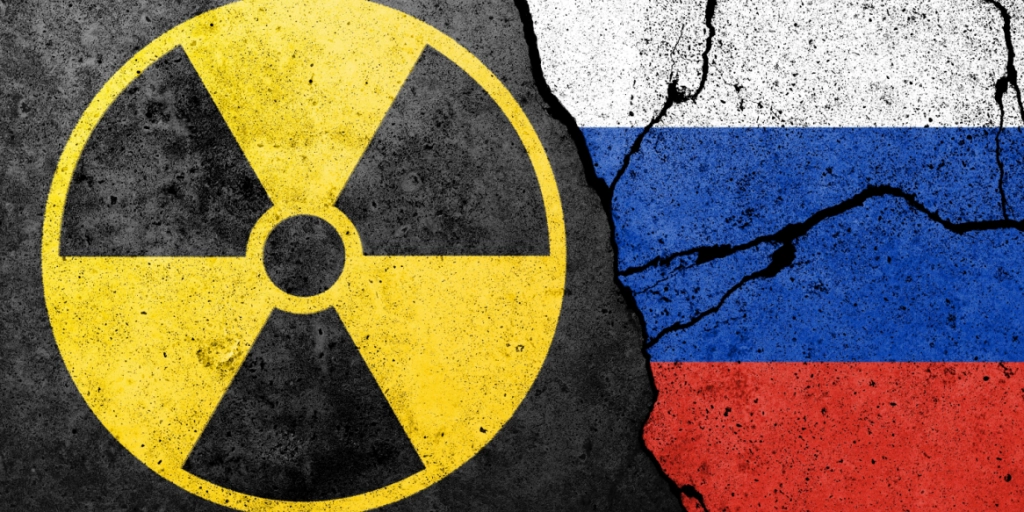
Russia has been accused of “conducting effectively a nuclear war against the people of Ukraine and Europe”.
The claim comes amid repeated reports of attacks near sensitive nuclear infrastructure.
Critics argue such actions risk long-term environmental and human consequences.
Repeated strikes near the plant

Ukraine says Russian forces have targeted the Chornobyl area multiple times since 2022.
These incidents have raised alarms among international observers and nuclear experts.
The proximity of military activity to the site remains a major concern.
Damage to the protective dome
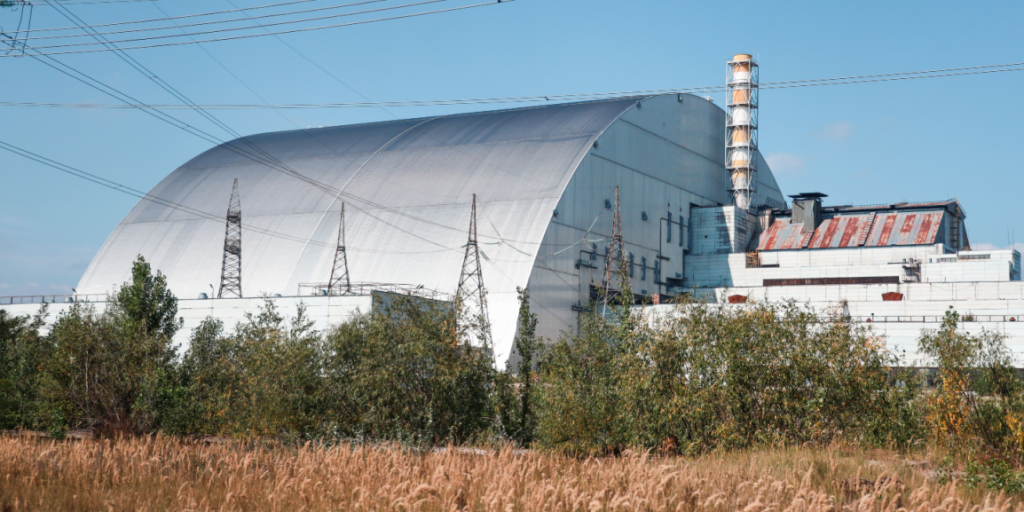
The New Safe Confinement (NSC), a massive structure covering the damaged reactor, was reportedly hit last February.
This dome was designed to contain radioactive material from the 1986 disaster.
Damage to it threatens the stability of the entire containment system.


Costly repairs under threat

Repair work valued at around €500 million had already been underway at the site.
However, ongoing military activity has disrupted efforts to restore the structure.
Experts warn that full functionality may no longer be achievable.
Missiles still flying overhead

Greenpeace nuclear specialist Shaun Burnie highlighted the continued danger.
“Missiles from the Russians still being fired across Chernobyl,” he said.
The ongoing strikes make repair and monitoring efforts far more difficult.
Radioactive material remains inside
Burnie described the dangerous contents still held within the site.
“there’s four tons of dust, highly radioactive dust, fuel pellets, enormous amounts of radioactivity inside the sarcophagus”.
Any structural failure could release this material into the environment.
Warning of catastrophic failure

Greenpeace warned that the NSC’s confinement function “could not be fully restored.”
Experts have labeled this scenario as “catastrophic”.
The inability to fully repair the structure raises the stakes significantly.
Risk of collapse from nearby impact

Plant director Sergiy Tarakanov outlined how even indirect strikes could trigger disaster.
“If a rocket will drop, not directly into the safe confinement, but just in 200 meters, it will create an external impact like an earthquake,” he said.
Such shockwaves could compromise the inner shell.
Radiation knows no borders
Tarakanov pointed to lessons from the original 1986 disaster.
“And what actually 1986 accident showed to us … that the radioactive particles, they do not recognize borders.”
This underscores the international risk posed by any new release.
Global watchdog calls for restraint
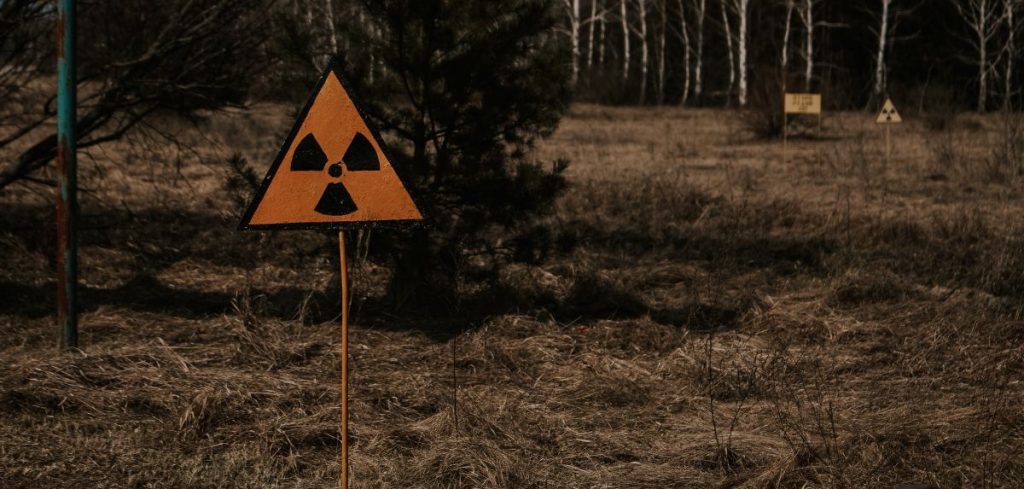
The International Atomic Energy Agency has repeatedly urged both sides to avoid fighting near nuclear sites.
The agency stresses that even minor damage could have major consequences.
Despite this, clashes have continued in sensitive areas.
Russia denies targeting Chernobyl
Russia has previously rejected claims that it is deliberately targeting the site.
The conflicting narratives add to the uncertainty surrounding events on the ground.
Independent verification remains difficult in a war zone.
Shadow of the 1986 disaster
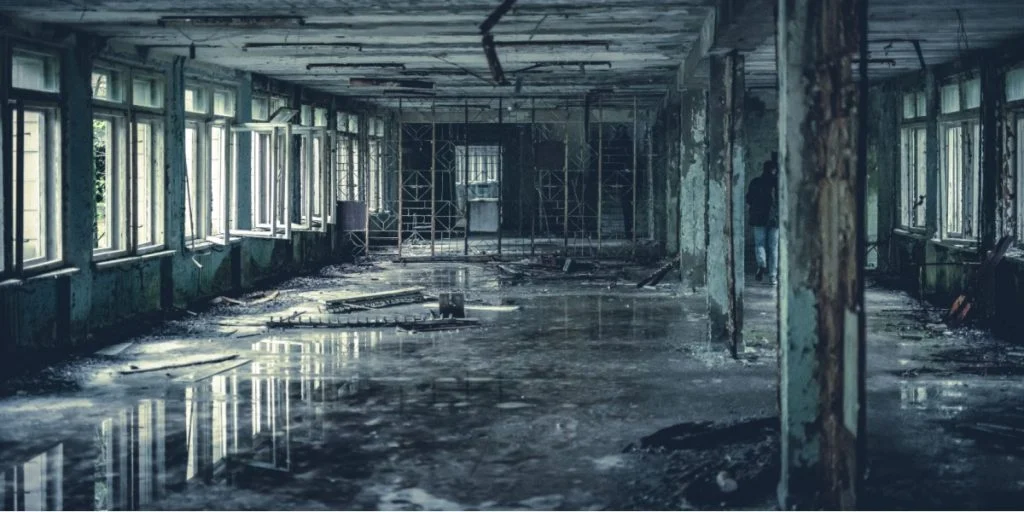
The memory of the Chornobyl explosion still looms large across Europe.
The accident released radioactive clouds and forced mass evacuations.
Today’s warnings echo fears of history repeating itself under new circumstances.



