
 Kenneth Glad
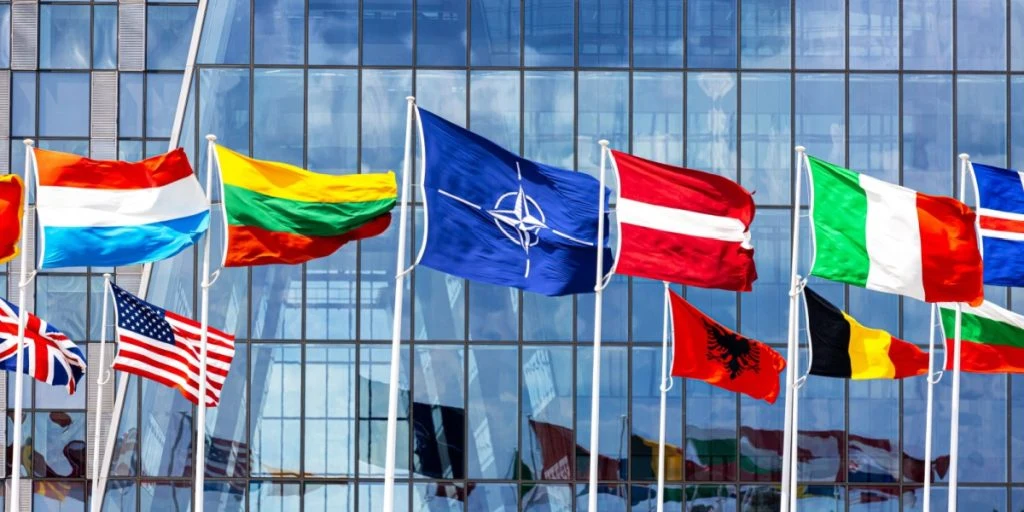
European capitals are accelerating defense planning as uncertainty around Washington’s long-term role in NATO becomes harder to ignore. What was once quiet concern has turned into concrete policy shifts, influencing budgets, troop levels and strategic coordination. The issue is no longer abstract. It is shaping how Europe prepares for potential gaps in transatlantic security.

According to The Wall Street Journal, European officials are engaged in contingency planning to preserve deterrence against Russia and ensure military continuity if U.S. support falters.
This includes strengthening forces on the continent and protecting what diplomats describe as “nuclear credibility” — the ability to maintain a reliable deterrent.
Former NATO Secretary General Jens Stoltenberg has framed these moves as an effort to reinforce the alliance’s European pillar. In practice, that means doing more within NATO rather than outside it.
Some governments are also exploring how French nuclear capabilities could complement existing arrangements. The discussions remain sensitive, but they underline a broader shift: Europe preparing to shoulder more responsibility, even while insisting NATO remains central.


Pressure from Washington
According to TASS, U.S. President Donald Trump’s criticism of NATO has added urgency to that shift.
Speaking in the context of tensions around Iran and the Strait of Hormuz, he said, “We pay trillions of dollars for NATO and they weren’t there for us.”
That message has resonated. Stoltenberg, in an interview with CBS News, pointed out that European allies have increased defense spending after years of U.S. pressure across multiple administrations.
“I think it’s always important to take seriously statements from the President of the United States,” he said, linking Washington’s rhetoric directly to policy changes in Europe.
A shifting balance
NATO’s internal dynamics are already evolving. The alliance has expanded to include Finland and Sweden in recent years, while Russia’s war in Ukraine has driven members toward the 2% of GDP defense spending target at a faster pace than before.
Stoltenberg warned that the alliance’s future cannot be assumed:
“It is not a law of nature that NATO will exist forever. NATO’s survival in the next ten years is not set in stone.”
He has also argued that NATO’s combined strength — accounting for about half of global economic output and military power — remains a key reason for its endurance, a point he attributes to the collective weight of its members.
Yet the direction of travel is becoming clearer. Europe is preparing for a scenario in which U.S. leadership is less dominant, not absent but no longer unquestioned. If that trend continues, NATO may not weaken — it may simply look very different by the end of the decade.
Sources: TASS, CBS News, The Wall Street Journal



