
 Kenneth Glad
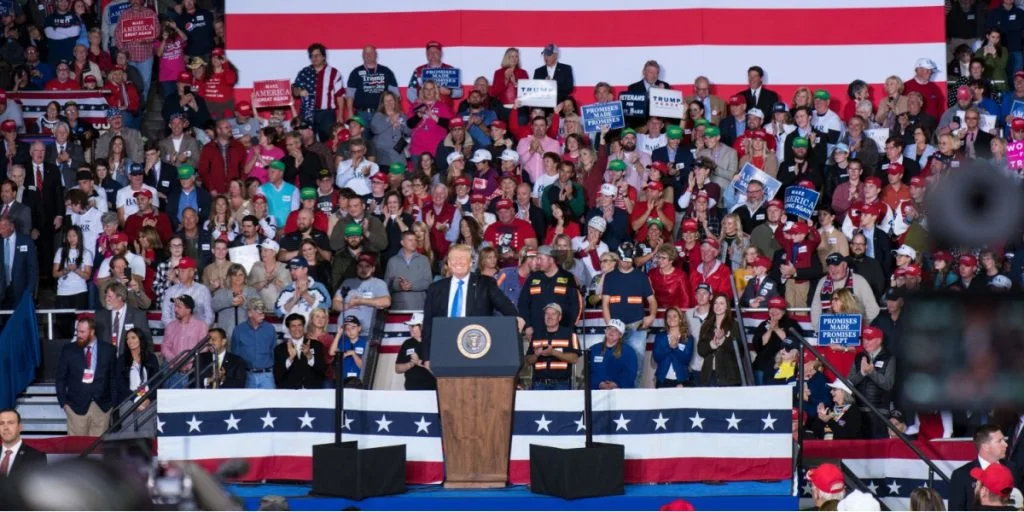
Musicians have spent years pushing back when their songs appear in Donald Trump’s political sphere. Now, a fresh dispute involving artificial intelligence shows how that fight is shifting into new territory.

Since 2016, a wide range of artists have objected to Trump’s use of their music. Rolling Stone has reported on repeated efforts by musicians to block or distance themselves from such uses, often arguing they were never asked for permission.
Some responses have come through legal channels. Beyoncé’s team challenged a campaign video using “Freedom,” saying they “absolutely did not give permission.” Céline Dion’s representatives also criticized the use of “My Heart Will Go On,” describing it as unauthorized.
Others reacted more bluntly. After his music surfaced in campaign-related content, Jack White wrote: “Don’t even think about using my music you fascists”.
Campaigns, for their part, have at times argued that licensed music or public performance rules allow certain uses, though that has not stopped disputes from escalating.


German act next in line
Alphaville is the latest band in this debate who is unhappy about Trump’s use of their music, and their response came quickly and publicly. The band rejected any link between its music and Trump, making clear it wanted the content taken down.
Lead singer Marian Gold said: “As we, the band Alphaville, do not in any way agree with Trump’s political views and, in fact, largely abhor them, we will ensure that this post is removed from the internet immediately”.
National Today reported that the dispute centers on an AI-generated video shared by Trump, featuring the band’s 1984 hit song “Forever Young” alongside fabricated images showing the president at different ages.
The group has signaled it may pursue legal action and opposes any future use of its songs in similar contexts.
Technology complicates matters
The use of AI adds a different dimension. Videos built with synthetic imagery, sometimes resembling deepfakes, can reshape how viewers interpret both visuals and sound.
That raises practical concerns. Pairing familiar music with altered imagery could influence how audiences perceive a political message, even if the content is fictional.
Courts have previously focused on licensing questions in similar disputes, such as Neil Young’s legal challenge over song use, rather than broader political implications. That leaves uncertainty when AI tools are involved.
Regulators have begun discussing how to address AI in campaigns, but clear rules remain limited. For now, each new dispute is testing where those boundaries might fall.
The conflict is no longer just about a song playing in the background. It is about how music, images and politics intersect in ways that are harder to separate than before.
A playlist of songs Trump can’t use
- “My Heart Will Go On” – Céline Dion
Her team said the use was unauthorized and did not reflect her endorsement. - “Freedom” – Beyoncé
Her team said they “absolutely did not give permission” for its use in a campaign video. - “Seven Nation Army” – The White Stripes
Jack White strongly objected and threatened legal action. - “Nothing Compares 2 U” – Sinéad O’Connor
Her estate said she would have been “disgusted” by the association. - “My Hero” – Foo Fighters
The band confirmed they did not approve its use at a rally. - “Dancing Queen” – ABBA
The group demanded Trump stop using their music at events. - “Fortunate Son” – Creedence Clearwater Revival
John Fogerty opposed its use, citing the song’s political meaning. - “Rockin’ in the Free World” – Neil Young
Young repeatedly objected and even pursued legal action at one point. - “Don’t Stop the Music” – Rihanna
Her legal team issued a cease-and-desist over campaign use. - “Livin’ on the Edge” – Aerosmith
Steven Tyler sent legal warnings over unauthorized use. - “We’re Not Gonna Take It” – Twisted Sister
The band said the song was being misinterpreted and didn’t want it tied to that context. - “Forever Young” – Alphaville
Sources: National Today, Rolling Stone



