
 Edith Hejberg

Russian foreign minister Sergei Lavrov confirmed the proposal publicly.
He said Moscow could assist in removing or managing Iran’s uranium reserves.


Russia has signalled it is willing to take control of Iran’s enriched uranium as part of a potential peace deal.
The offer, tied to wider tensions in the Middle East, could reshape the balance of power.
For NATO allies, the idea of Moscow holding additional nuclear material is deeply unsettling.
Iran’s stockpile sparks alarm
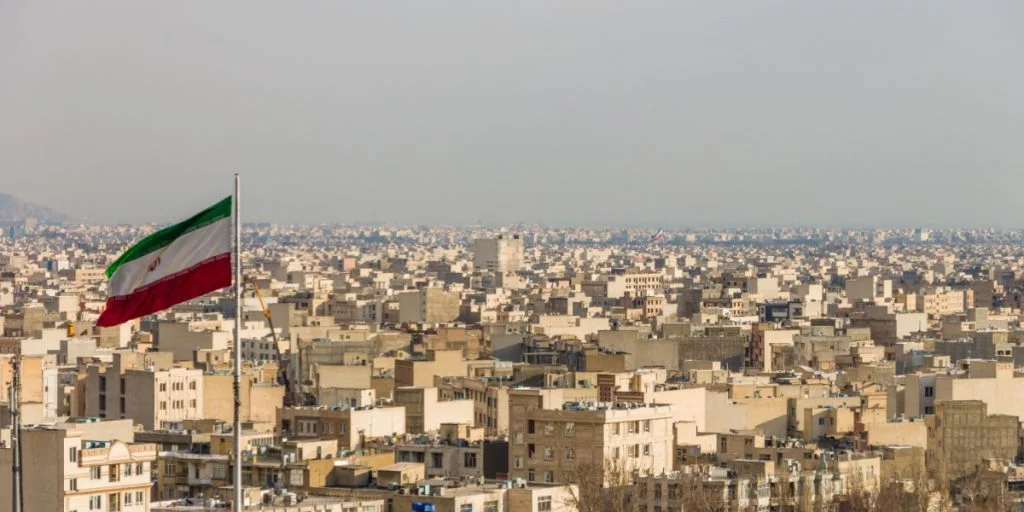
Iran is believed to possess enough enriched uranium to produce up to 10 nuclear bombs.
That estimate has intensified global concern over how the material might be handled.
Any transfer of this stockpile would carry major geopolitical consequences.
Moscow offers to “play a role”
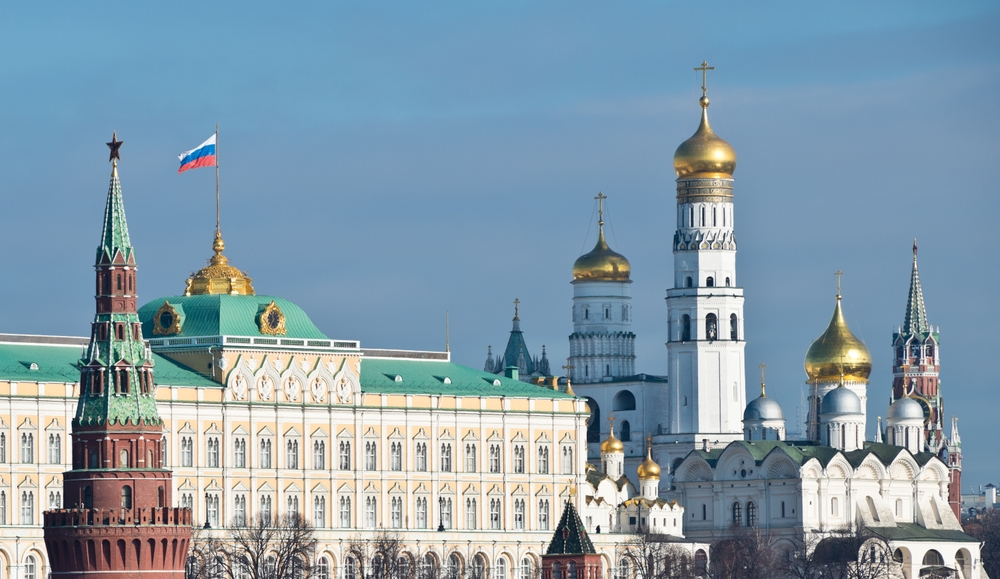
Russian foreign minister Sergei Lavrov confirmed the proposal publicly.
He said Moscow could assist in removing or managing Iran’s uranium reserves.
The suggestion positions Russia as a key broker in ongoing tensions.
Lavrov outlines possible options
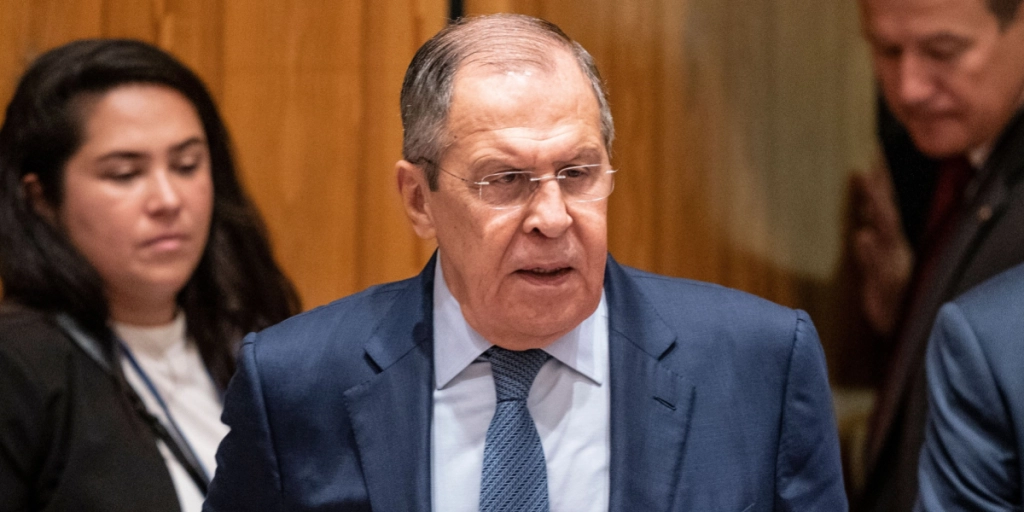
Lavrov explained: “This role can take on many forms, including reprocessing highly enriched uranium into fuel-grade uranium, transferring a certain amount to Russia for storage.”
He added that any solution must respect Iran’s rights.
The proposal includes both technical and logistical pathways.


Emphasis on iran’s rights

Lavrov stressed: “Anything that is acceptable to Iran without, I repeat, violating its inalienable right, like the right of any other state, to enrich uranium for peaceful purposes.”
This framing reflects Moscow’s attempt to balance diplomacy with sovereignty.
It also signals support for Iran’s civilian nuclear ambitions.
Us aims clash with russian involvement

The United States has made dismantling Iran’s nuclear programme a central goal.
Washington’s strategy could be complicated if Russia takes custody of the uranium.
Such a move might shift the perceived threat rather than eliminate it.
Kremlin confirms offer still stands
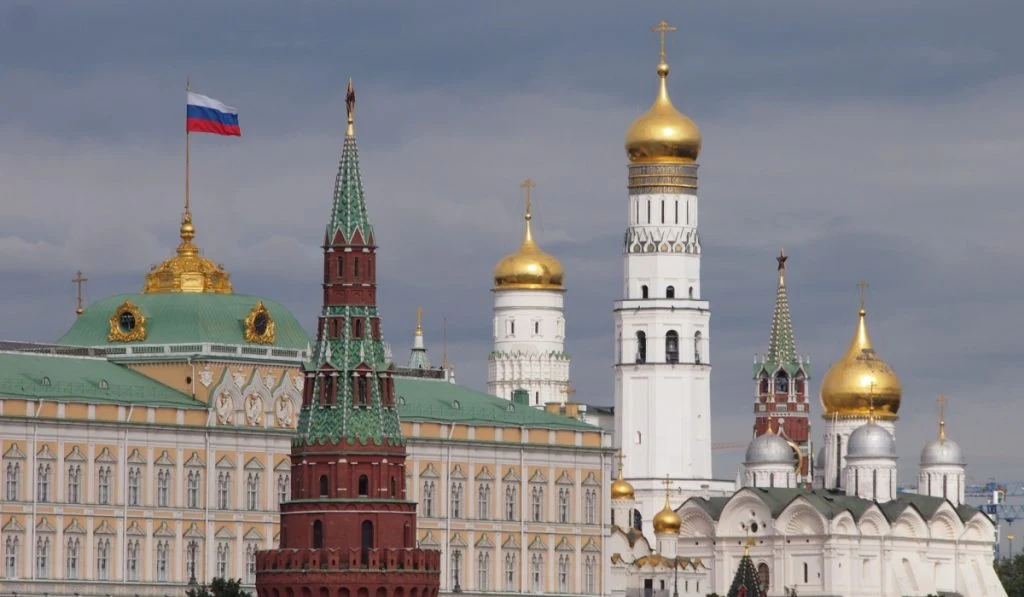
Kremlin spokesperson Dmitry Peskov said the proposal remains active.
He noted it had been discussed with both the US and regional powers.
Despite this, no agreement has yet been reached.
Stalled talks add to uncertainty
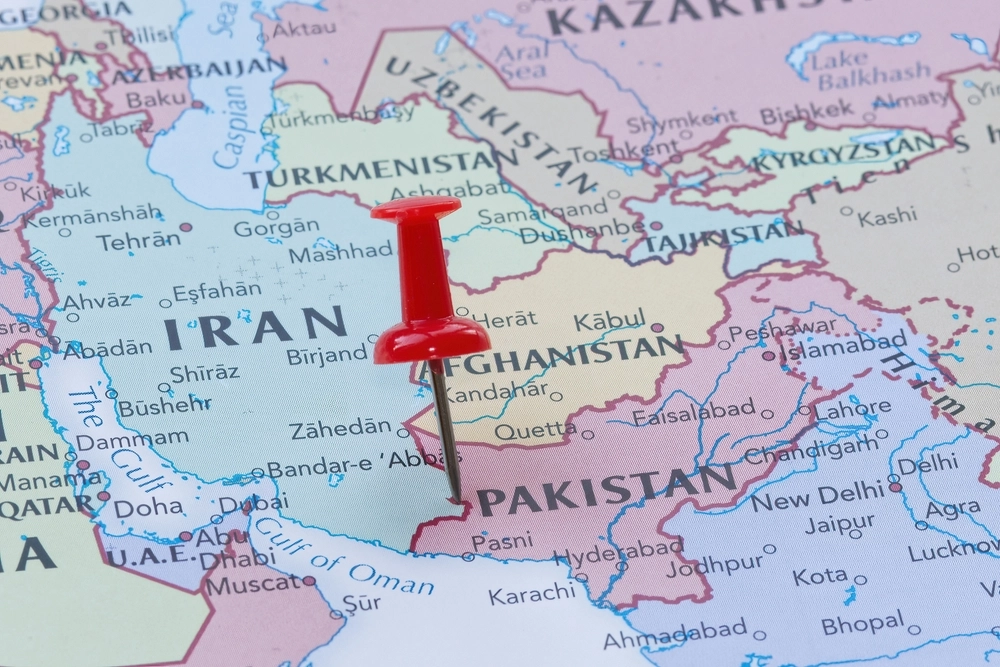
Recent negotiations between Iran and the US in Pakistan failed to deliver a breakthrough.
Diplomatic efforts remain fragile and unresolved.
This stalemate leaves room for alternative proposals like Russia’s.
Iran rejects nuclear accusations

Iranian officials insist their nuclear programme is peaceful.
They deny that talks collapsed over atomic ambitions.
Tehran continues to resist external limits on its activities.
Watchdog highlights enrichment levels
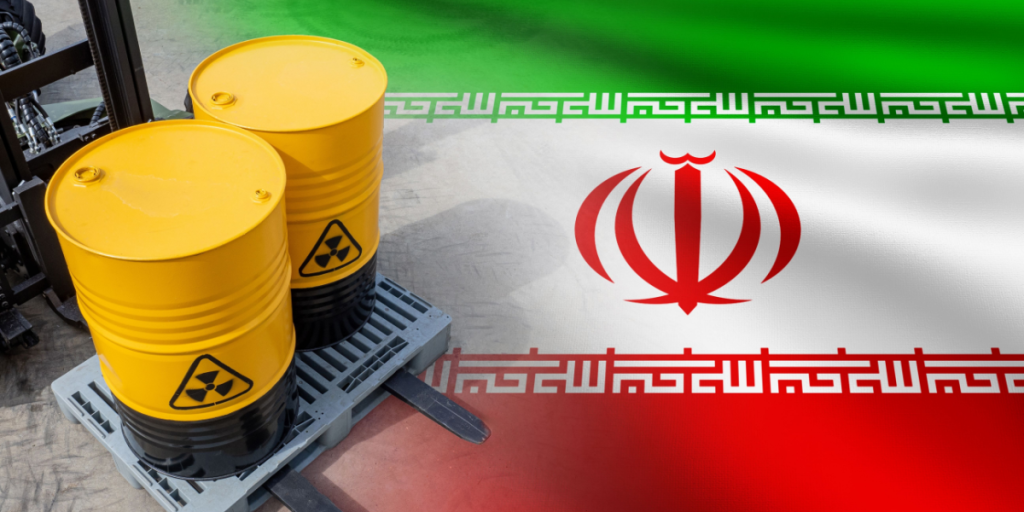
The International Atomic Energy Agency reports Iran holds 440.9kg of uranium enriched to 60%.
This level is close to weapons-grade, which sits at 90%.
The gap is small in technical terms, raising urgency among observers.
Access to facilities remains restricted
The IAEA has not been able to inspect sites hit during recent strikes.
A confidential report said it “cannot verify whether Iran has suspended all enrichment-related activities”.
It also cannot confirm the full size of Iran’s stockpile.
Echoes of past nuclear deals

Russia previously removed enriched uranium from Iran under a 2015 agreement.
That deal aimed to curb Tehran’s nuclear programme through international cooperation.
The current proposal mirrors elements of that earlier arrangement.
Growing fears for nato security
Russia already holds the world’s largest nuclear arsenal.
Adding Iranian material could heighten concerns across NATO countries.
What is framed as a peace solution may instead deepen strategic anxieties.



