
 Edith Hejberg
The verse Hegseth recited comes from the 1994 film “Pulp Fiction.”
It is spoken by Samuel L. Jackson’s character in a well-known monologue.
US Defense Secretary Pete Hegseth stirred debate after delivering a prayer at the Pentagon.
During the session, he quoted a passage that sounded biblical but was not.
The moment quickly drew attention from media and political observers.
Questions arose about the source and intent behind the words.
A line borrowed from hollywood

The verse Hegseth recited comes from the 1994 film “Pulp Fiction.”
It is spoken by Samuel L. Jackson’s character in a well-known monologue.
According to the LA Times, the passage is largely fictional.
Only a small portion loosely reflects an actual Bible verse.
Framing war as divine justice
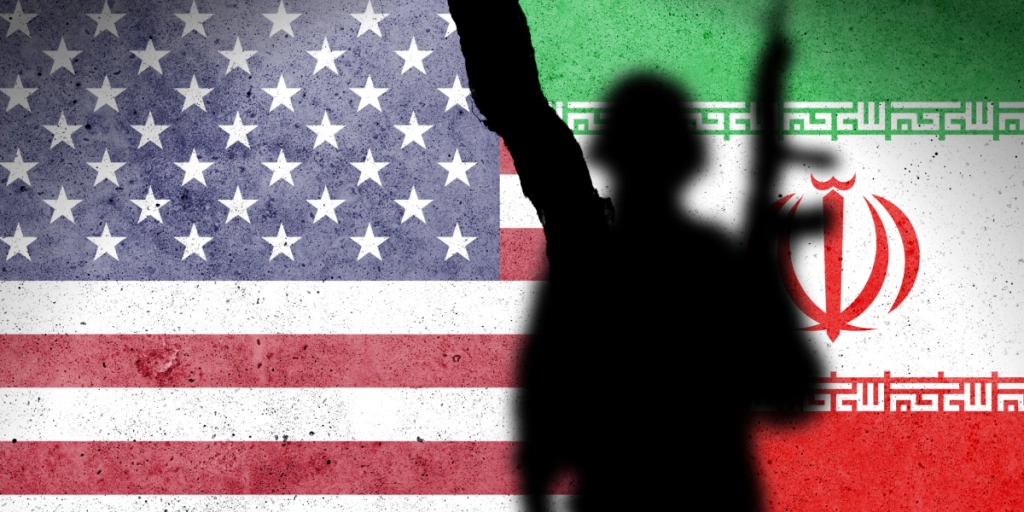
Hegseth used the prayer to frame the Iran war in moral and religious terms.
The language echoed the film scene where violence is justified before a killing.
This parallel raised concern among critics.
They argued it blurred the line between faith and military action.
The “csar 25:17” reference

Hegseth explained he learned the prayer from a rescue unit leader.
The team, known as “Sandy 1,” recently saved downed Air Force crew members in Iran.
Search and rescue crews often recite the verse in combat.
They refer to it as “CSAR 25:17,” linking it to Ezekiel 25:17.


The prayer as delivered

Hegseth recited: “And I will strike upon you with great vengeance and burning anger those who seek to capture and destroy my brother.”
He continued, “And you will know that my call sign is Sandy 1, when I pour out my vengeance upon you.”
The wording closely mirrors the film’s dramatic tone.
It departs significantly from the original biblical text.
What the bible actually says

The real verse in Ezekiel 25:17 reads: “I will execute great vengeance upon them, with furious punishments.”
It continues, “And they shall know that I am the Lord, when I lay my vengeance upon them.”
Hegseth’s version replaces the final line.
He substitutes it with a military call sign.
A blend of scripture and cinema

Most of the “Pulp Fiction” speech was created by the film’s writers.
Parts were inspired by a 1976 Japanese martial arts movie.
This layered origin adds to the confusion.
It shows how far the quote is from authentic scripture.
Pentagon response pushes back
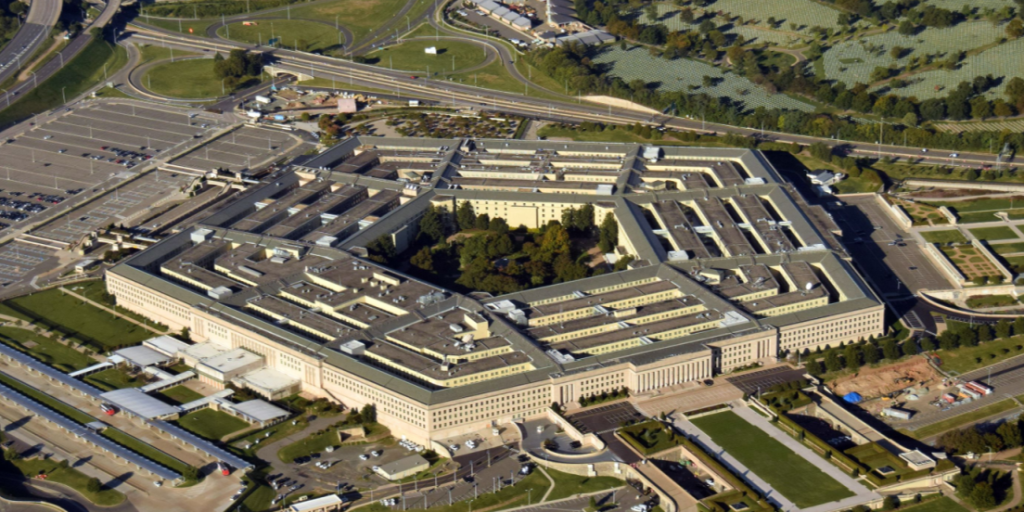
Pentagon spokesman Sean Parnell rejected criticism.
He called claims of confusion “fake news.”
Parnell said Hegseth delivered a “personalized prayer.”
He described it as “clearly inspired” by the film dialogue.
Writers weigh in

Roger Avary, co-writer of “Pulp Fiction,” responded publicly.
He said he had no objection to the quote being used.
His condition was simple.
If it helps protect soldiers, he supports it.
Prayer and calls for violence

Reports suggest Hegseth has used similar prayers before.
In a previous sermon, he asked God to “give this special forces clear and just targets for violence.”
Such language has raised concern among analysts.
They question the role of faith in military messaging.
Pressure inside the pentagon

Participation in these sessions is not mandatory.
However, some staff feel an “implicit pressure” to attend.
An anonymous analyst said employees are expected to “fill the gaps.”
This dynamic may affect internal priorities.
Concerns about military focus

Critics argue the prayers distract from operational duties.
One analyst said leaders are neglecting key responsibilities.
“We have managers and leaders who are neglecting mission-critical activities to listen to quotes from ‘Pulp Fiction,’” he stated.
He warned it delays important wartime decisions.
Vatican clash adds tension
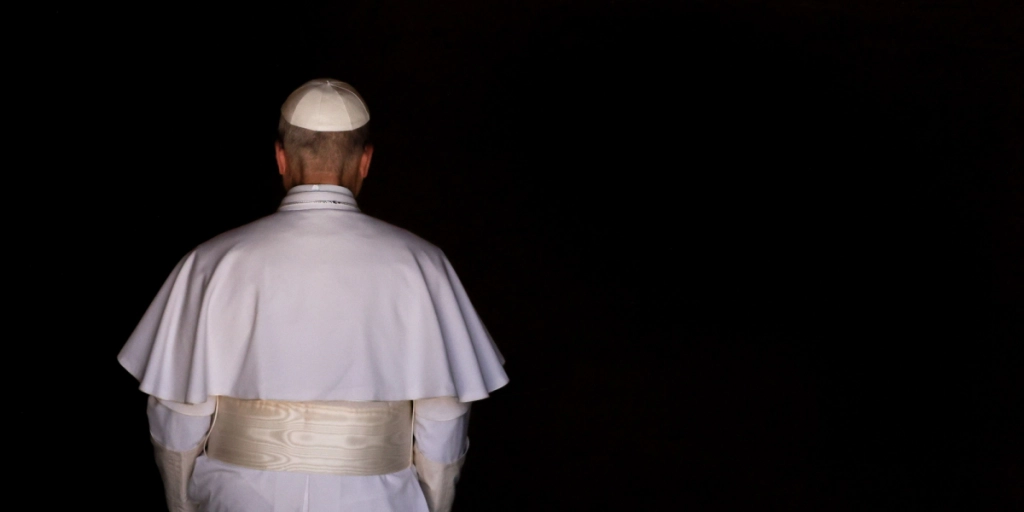
The incident comes amid friction with the Vatican.
Pope Leo XIV recently criticized the US-Israeli war in Iran.
President Trump responded sharply to the remarks.
The Pope later warned: “Woe to those who manipulate religion and even the name of God for their own military, economic and political interests, dragging what is sacred into darkness and misery.”



