
 Edith Hejberg
Hormuz closure returns as Iran pushes back against US blockade The waterway is now under what they call “strict management.
Others are reading now

Iran says it has once again tightened control over the strait of Hormuz, one of the world’s most critical shipping lanes. The move follows an escalating dispute with the United States over a naval blockade. Officials describe the situation as a return to earlier restrictions. The development adds fresh uncertainty to global energy markets. Tensions in the region remain high.
Military statement frames US actions as ‘piracy’

In a statement carried by Iranian media, the country’s military command, Khatam Al-Anbiya, sharply criticized Washington’s actions. It labeled the US blockade as “piracy.” The statement underscored Iran’s stance that its response is defensive. The language signals a hardening tone from Tehran. It also reflects growing frustration over restricted shipping access.
Strait ‘reverted to its previous state’

Hormuz closure returns as Iran pushes back against US blockade The waterway is now under what they call “strict management.” Military forces are reportedly overseeing all movement. The announcement has added confusion about the strait’s actual status.
Conditions set for restoring navigation

Tehran outlined clear conditions for easing restrictions. It demands full freedom of navigation for Iranian-linked vessels. This includes ships traveling both to and from Iranian ports. Until those demands are met, controls will remain in place. The standoff shows no immediate signs of resolution.


Conflicting signals over reopening
Just a day earlier, both Iran and Donald Trump indicated the strait had reopened. However, those claims now appear uncertain. Iran’s latest statement contradicts earlier optimism. The mixed messaging has left shipping companies wary. Markets are reacting cautiously to the unclear situation.
US maintains pressure with blockade

Despite talk of reopening, the US has not backed down. Trump said the blockade “will remain in full force.” The measure is tied to broader negotiations with Iran. Washington is seeking concessions, including on Tehran’s nuclear program. The blockade remains a central point of leverage.
Oil supply route under scrutiny
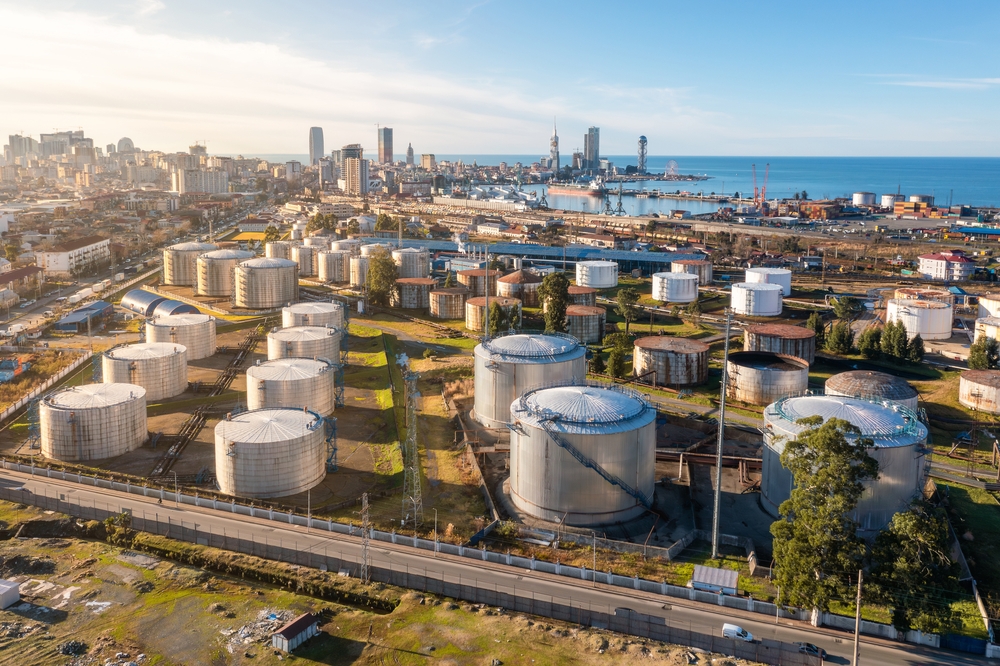
The strait of Hormuz is vital to global energy flows. Before the conflict, it carried about a fifth of the world’s oil supply. Any disruption can ripple across international markets. Traders and governments are closely watching developments. Even partial restrictions can have significant consequences.
Tankers continue to navigate the strait
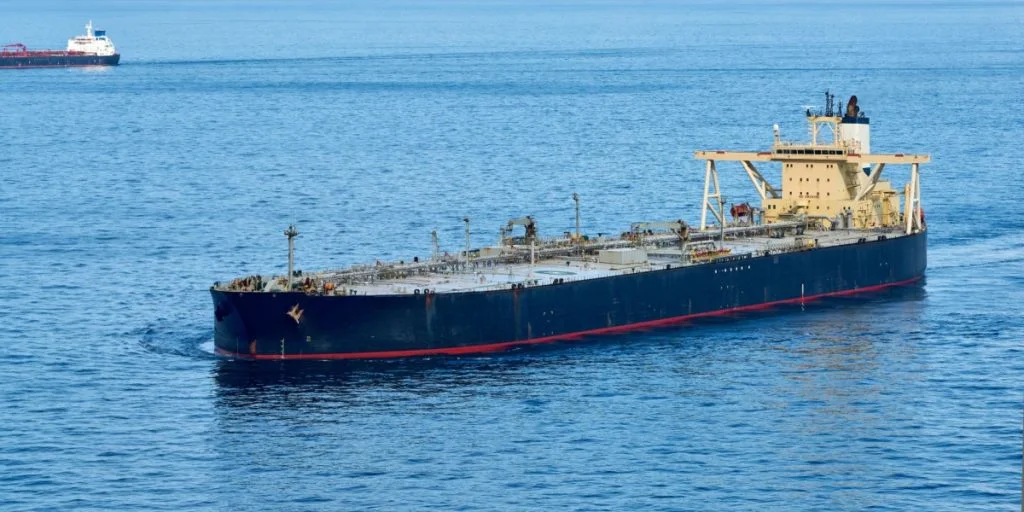
Reports indicate that some tankers are still crossing the strait. This suggests limited movement despite heightened control. Shipping activity appears cautious but ongoing. Operators are likely weighing risks against economic pressures. The situation remains fluid and unpredictable.
Iran partially reopens its airspace
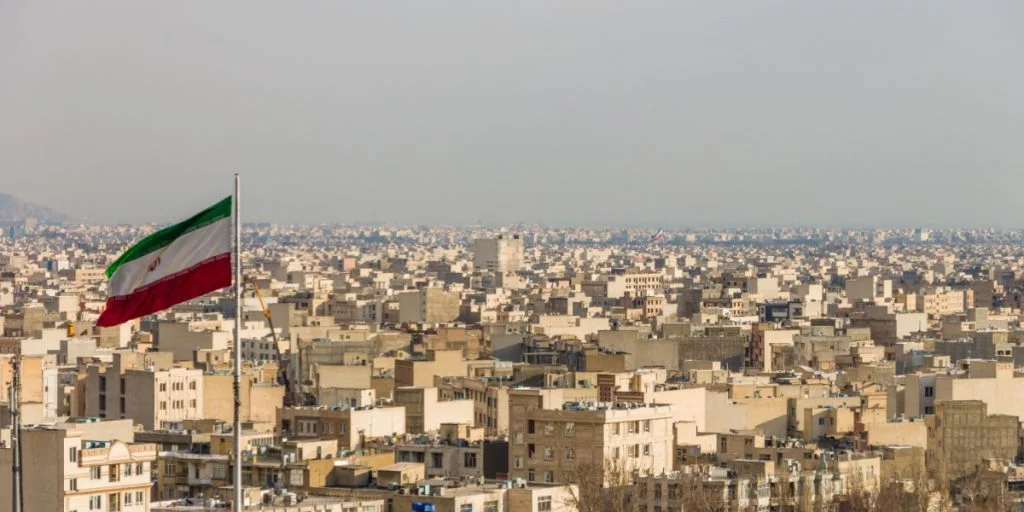
In a separate development, Iran has partially reopened its airspace. The country’s aviation agency confirmed the move. This may signal an attempt to ease some tensions. However, restrictions are still likely in place. Air travel remains affected by the broader crisis.
Trump warns of renewed military action
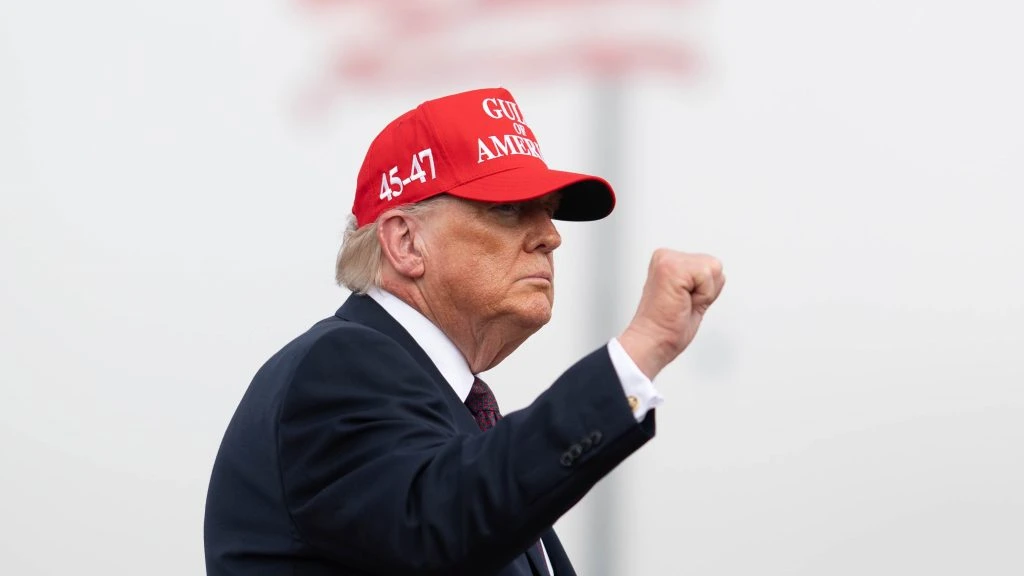
Donald Trump has escalated rhetoric, warning the US could “start dropping bombs again.” The statement raises fears of further military escalation. It also underscores the stakes of ongoing negotiations. Diplomatic efforts appear fragile. The risk of conflict remains present.
Regional diplomacy continues behind the scenes
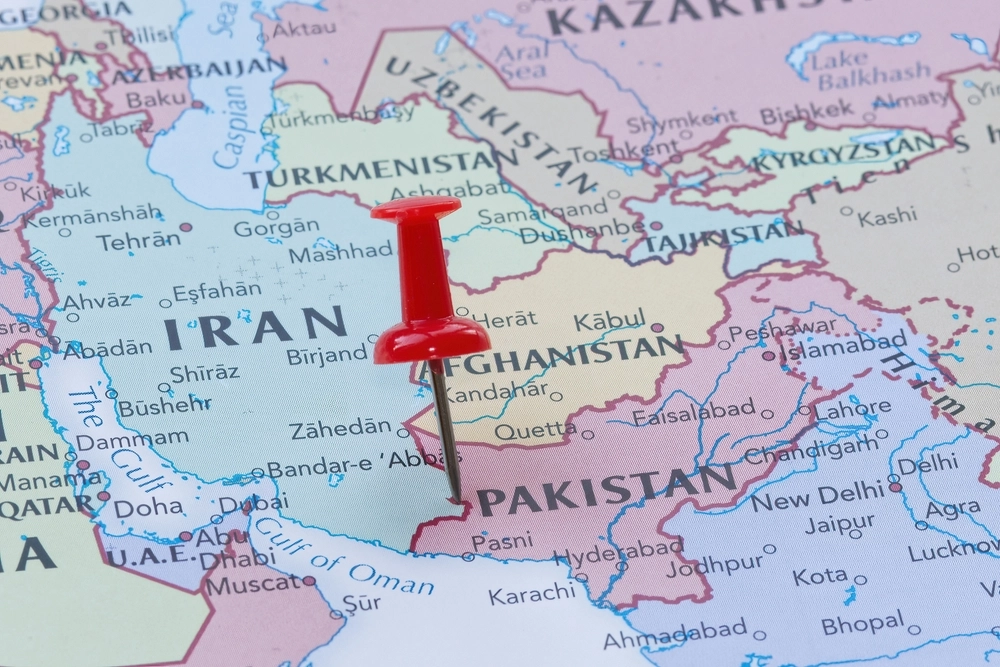
Pakistan’s army chief has concluded a visit to Iran. The trip highlights ongoing regional engagement. Military and diplomatic channels remain active. Countries in the region are seeking to manage the fallout. Cooperation may be key to avoiding further escalation.
UK signals broader involvement
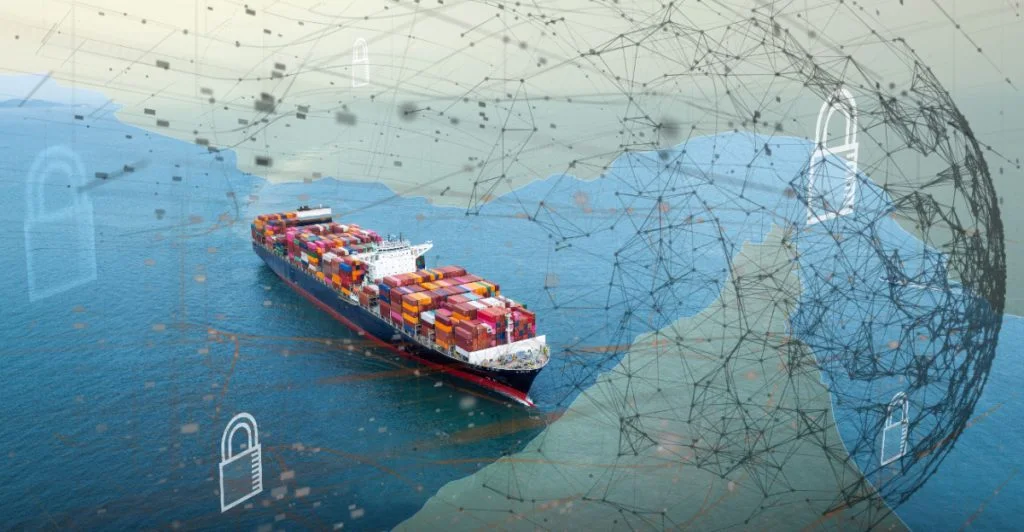
The UK has announced plans for a “wide-ranging” contribution to a Hormuz mission. This suggests increased international involvement. Western allies are aligning responses to the crisis. The move could affect maritime security operations. It reflects growing global concern.
A volatile situation with global impact
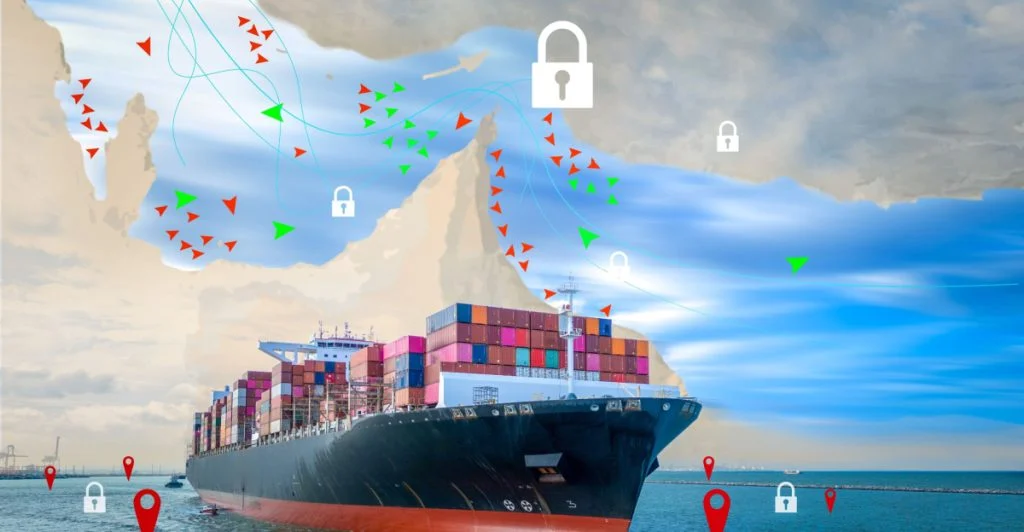
The situation in the strait of Hormuz remains highly unstable. Conflicting claims and military posturing are fueling uncertainty. The stakes extend far beyond the region. Energy markets, shipping routes, and international relations are all affected. For now, clarity remains in short supply.



