
 Kenneth Glad
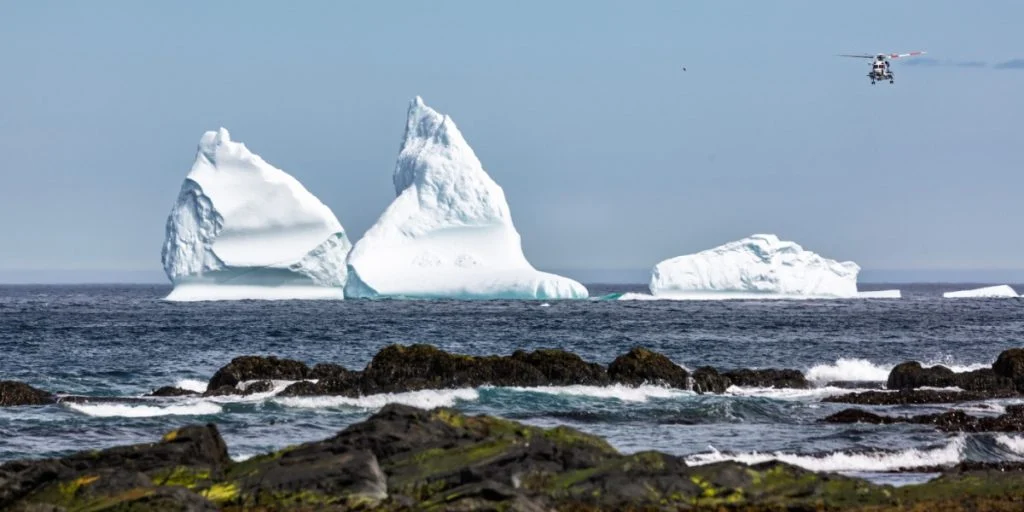
Governments are adjusting their approach to a region undergoing rapid environmental and strategic change. Evolving conditions are raising new questions about access, security and long-term planning.
Environmental change and rising global rivalry are reshaping priorities in the Arctic region. Canada is placing renewed focus on its northern territory, with military planners and political leaders increasingly treating it as both a strategic frontier and a logistical challenge.
Recent operations suggest that the country is moving from symbolic presence toward more practical readiness in a landscape that is becoming easier to access yet harder to navigate.
The BBC reports that a major patrol led by the Canadian Rangers covered more than 5,000km across remote Arctic terrain, linking scattered communities before reaching Churchill, Manitoba.
Defence officials described the journey as a way to understand how forces can move and operate across vast distances with limited infrastructure.


Rather than detailing each step of the route, officials framed the mission as a test of coordination, endurance and adaptability in one of the most demanding environments on Earth.
Climate and competition
Melting ice is opening new shipping corridors and drawing attention to untapped resources, placing the Arctic at the centre of growing international interest.
Analysts often point to the region as an emerging arena where economic opportunity and security concerns overlap.
At the same time, military activity by other nations continues to shape planning. Brig. Gen. Daniel Rivière said Russia remains “a formidable force”, noting: “They still fly, and they still probe.” He added that while there is no immediate threat, capabilities in Arctic waters are evolving.
These developments are unfolding alongside rapid environmental shifts. According to the BBC, ice conditions are becoming less predictable, complicating travel.
Lt. Col. Travis Hanes said some rivers no longer freeze as expected, while unusually cold periods can temporarily open new routes.
Together, these factors are forcing armed forces to prepare for a wider range of scenarios, from search and rescue to potential conflict.
Ground reality
Despite advances in surveillance and air support, much of the operation still depended on local expertise.
Inuit Rangers played a central role, guiding units across unstable terrain and helping them manage extreme cold.
“We would’ve failed without them,” Hanes said, reflecting on their contribution.
Beyond navigation, they provided practical support, from sharing traditional food to supplying clothing better suited to Arctic conditions than standard military gear. Their presence also linked the patrol to communities spread across the region.
One ranger, Barnie Aggark, described the mission in terms of responsibility and identity: “We have to let the rest of the world know that we are here, and this is our home, and we are going to protect it with everything that we have.”
The patrol also involved aerial reconnaissance and new monitoring technologies, highlighting efforts to modernise operations while relying on long-standing knowledge of the land.
Officials say the lessons learned will shape future deployments as Canada increases investment in northern infrastructure and defence. Chief Warrant Officer Sonia Lizotte said: “We have tested the limits, and we can now see the future.”
Sources: BBC



