
 Jens Asbjørn Bøgen
According to the Kremlin, the shutdown is for security reasons.


Residents in central Moscow are facing unexpected obstacles in daily routines as technical disruptions affect access to public facilities.
Russian authorities have introduced what it calls “white lists”. It is part of a wider effort from the Kremlin aimed at creating a “Russian internet”.
This means that a number of foreign services, such as WhatsApp, YouTube and several Western media outlets have been blacklisted, meaning they are impossible to access when in Russia.
The outages in Moscow began in early March with The Moscow Times reporting on March 13, that the authorities said, the outages were necessary in order to counter Ukrainian drones.


Critics argue, that it is more likely a thinly veiled crackdown on the flow of information,
No matter the reason, one thing is certain: Life in Miscow has become increasingly difficult with even such simple actions as using a toilet becoming borderline impossible.
Everyday disruptions
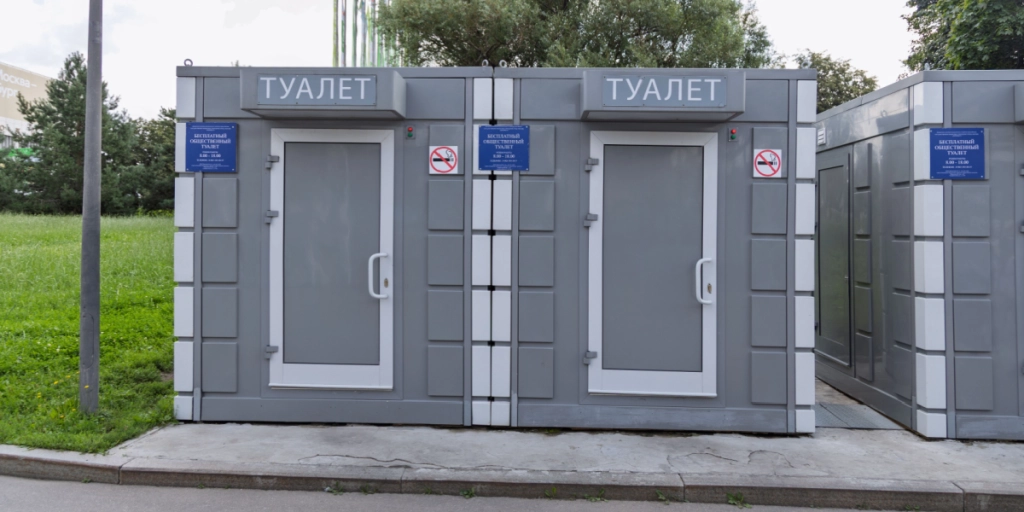
According to the outlet Ostorozhno, Novosti, problems began about a week ago, when users found they could no longer pay for entry to public toilets or unlock the doors.
Many of the facilities rely entirely on cashless systems, leaving visitors stranded when mobile internet connections fail.
According to the Ukrainian state-run outlet, United24Media, ORK, the company operating Moscow’s public toilets, confirmed the issue and linked it to restricted mobile internet access in central districts.
The company explained that payment terminals depend on stable connectivity, meaning disruptions prevent both transactions and door access.
White lists are the issue
According to Ostorozhno, Novosti, ORK said it is working to connect systems to internet “white lists,” which would allow them to function despite ongoing restrictions.
“For the entire past week, active work has been underway with the contractors who installed the payment system, as well as directly on the issue of connecting to the ‘white lists,’” the company said.
ORK reported a sharp drop in usage, with daily visits falling from around 20 people per facility to just two in recent days.
Technical inspections found the equipment itself working normally, suggesting connectivity limits imposed by telecom operators are the main cause.
Sources: Ostorozhno, Novosti; The Moscow Times; United24Media



