
 Jens Asbjørn Bøgen
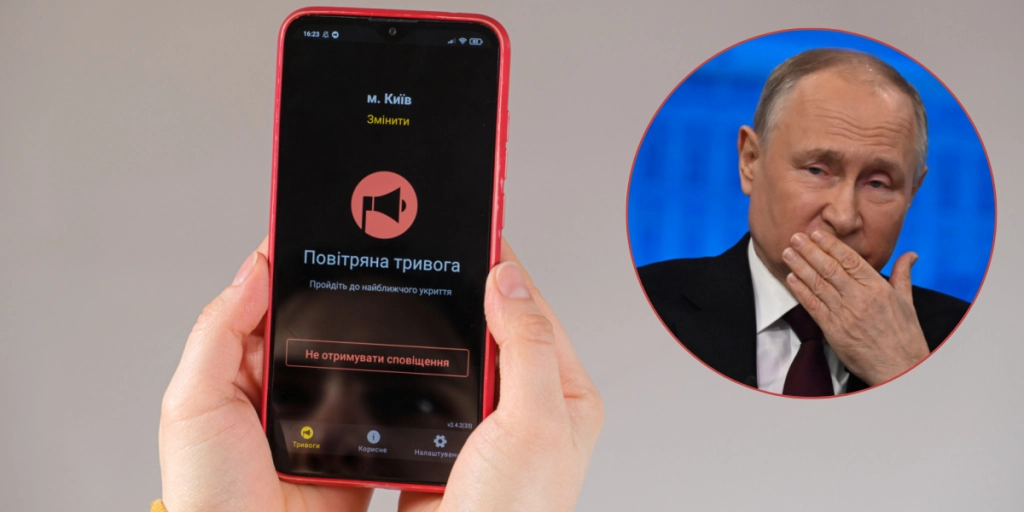
A Belgorod-based Telegram channel claimed the air sirens acticated after the strikes.


Tighter internet controls in Russia are beginning to affect more than just online access.
In border regions, officials say the restrictions are now interfering with critical safety systems.
Residents near Ukraine are reporting gaps in air raid warnings, raising concerns about how prepared communities are during attacks—and even that air sirens sound AFTER the attack has already occurred.
Mounting concerns
According to the Institute for the Study of War (ISW), Belgorod Oblast Governor Vyacheslav Gladkov said on March 23 that residents cannot enable missile alert push notifications through the state-controlled messaging app Max.


According to his statement, this issue has become one of the most urgent challenges facing the region.
Gladkov explained that Russia’s missile and drone warning network relies heavily on push notifications, similar to those used on platforms like Telegram.
ISW notes that without reliable access to these alerts, residents may not receive timely warnings during incoming strikes.
Missed warnings
A local Telegram channel from the Russian border region, Belgorod, reported on March 25 that some residents did not receive any alerts during overnight Ukrainian strikes, ISW reports.
According to those accounts, air raid sirens only sounded after explosions had already occurred.
Residents also said they struggled to access even approved applications during mobile internet shutdowns, further limiting their ability to receive information.
System delays
A Russian military blogger claimed that the internet restrictions are slowing down warning systems that had previously operated at peak efficiency.
The blogger added that delays in notifications are preventing people from reaching shelters in time, increasing risks during attacks.
According to ISW, the situation highlights a growing tension between tightening state control over the internet and maintaining effective emergency communication systems in conflict-affected areas.
Sources: Regional officials, Telegram reports, Institute for the Study of War



