
 Kenneth Glad
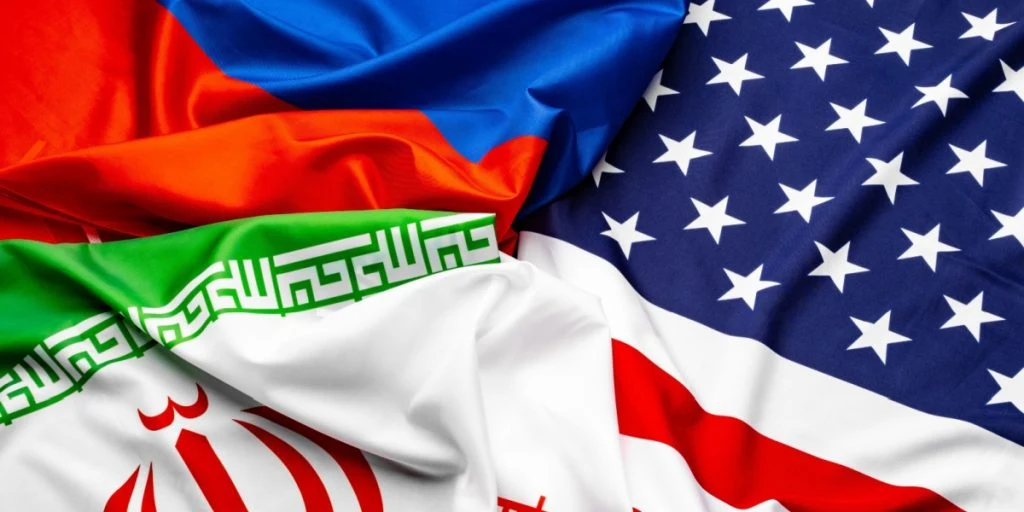
A proposed pause in tensions between the United States and Iran is beginning to take shape, but key elements remain disputed. Different accounts from Washington, Tehran and Moscow suggest no single, agreed version of how the talks emerged.
What is clear is that any deal hinges on strategic and economic pressure points far beyond a simple ceasefire.


Polish outlet WP Wiadomości reports that Donald Trump outlined a two-week ceasefire, conditional on reopening the Strait of Hormuz. The waterway is a critical artery for global oil transport, making it central to any de-escalation.
Tehran signaled it could permit shipping to resume, stating this would occur “in coordination with Iran’s armed forces.” That phrasing indicates continued military control over the passage rather than a full normalization.
According to WP Wiadomości, Iran is tying the proposal to broader conditions: A halt to conflict involving allied groups, the withdrawal of US troops from regional bases, sanctions relief, compensation, and access to frozen assets.
Negotiations are expected to take place in Islamabad on April 10, though neither side has publicly detailed how far discussions have progressed.


Russia’s assertion
Only after these developments did Moscow step in with its own account. Russian Foreign Ministry spokesperson Maria Zakharova said the Kremlin had supported efforts to defuse the crisis, presenting Russia as aligned with diplomatic solutions.
She described that role as guided by “national interests, international law and truly humanitarian goals.”
Neither Washington nor Tehran has publicly confirmed any Russian involvement in shaping the talks. For now, Moscow’s claimed role rests largely on its own account.
Russia has, however, consistently positioned itself in international forums as favoring negotiations over military escalation, particularly in Middle Eastern conflicts where it seeks to retain influence.
Competing narratives
Zakharova also took aim at Trump’s rhetoric, arguing that repeated claims of imminent success did not match developments on the ground.
More broadly, the situation reflects three competing approaches. The US has framed the ceasefire as conditional leverage, Iran is linking it to sweeping concessions, and Russia is emphasizing diplomacy while asserting relevance.
Key details — including who, if anyone, helped broker the discussions — remain unsettled, leaving the diplomatic picture incomplete.
Source: WP Wiadomości



