
 Edith Hejberg

At the start of the war, such claims were rare. Families often faced rejection due to missing paperwork, and military units themselves rarely initiated the process.


Nearly 90,000 Russian servicemen have been officially declared dead or missing in court proceedings, an enormous increase that began in mid-2024 and shows no signs of slowing.
This surge reveals a hidden toll from the war in Ukraine, far beyond what Russian authorities have acknowledged publicly.
From rare to routine
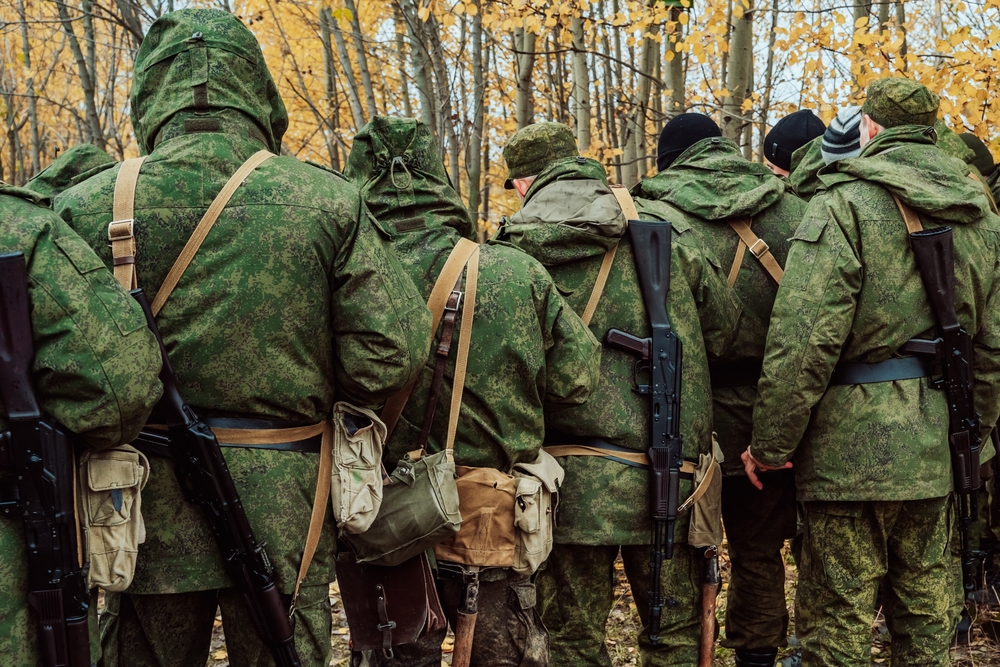
At the start of the war, such claims were rare. Families often faced rejection due to missing paperwork, and military units themselves rarely initiated the process.
As a result, courts seldom had the grounds to rule on a soldier’s status, even if they had long vanished from the battlefield.


Mid-2024 marked a turning point
Everything changed in the second half of 2024. A flood of cases began hitting the courts, and the pace accelerated steadily into 2025.
By autumn, courts were processing roughly 2,500 claims per week, an unprecedented volume in peacetime or wartime.
Numbers that dwarf previous years

To grasp the scale: courts received 22,000 such cases in all of 2024. But in just the first 11 months of 2025, that number has reached nearly 80,000.
The current rate is about four times higher than any previous year, and it’s not slowing down.
The veil of anonymity
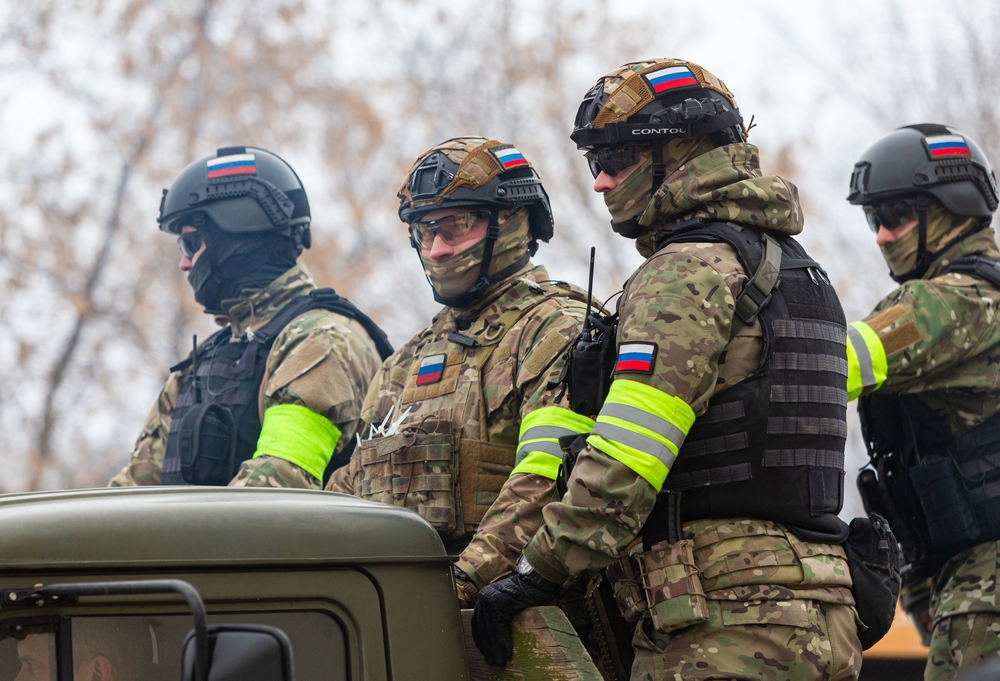
Many of these claims come with redacted or hidden information. In over 42,000 cases, the applicant’s identity is concealed.
This occurred occasionally in peacetime, but the explosion in such cases after 2023 is clearly linked to the war and reflects the sensitivity surrounding these losses.
Military officials named in tens of thousands of claims
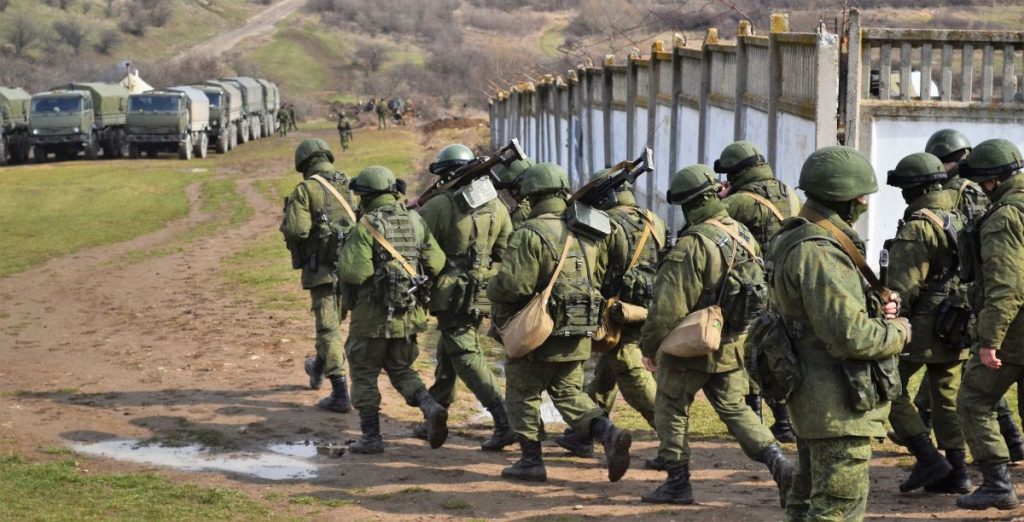
Unit commanders are referenced in at least 26,000 cases. Other Ministry of Defence bodies or military personnel appear in more than 20,000 others.
These figures point to widespread institutional involvement in the filings, and suggest formal internal processes are now in place.
A massive internal order likely triggered the flood

The consistency and volume of recent filings strongly suggest an internal directive was issued around mid-2024.
After years of silence, military units began filing in large, regular batches, signalling a system-wide shift in how missing personnel are handled.
An overwhelmed but efficient court system

Today, garrison courts are processing around 500 missing-soldier cases every working day.
Often, they receive entire batches linked to specific units, with hundreds of applications arriving in a single week, further pointing to coordinated efforts rather than individual family actions.
Far ahead of confirmed death records

The number of court-recognised missing soldiers now outpaces confirmed deaths.
Independent trackers have verified 153,000 names of fallen soldiers, 3,900 added in just the past two weeks, mostly from inheritance documents or secondhand sources, long after families reported them missing.
The backlog that never ends

Analysts had expected the spike to taper off once the backlog of cases from 2022 to 2024 was cleared.
But that hasn’t happened. Instead, the steady increase indicates that losses are ongoing, and that many disappearances from earlier in the war had gone unreported until now.
A distorted view of war losses
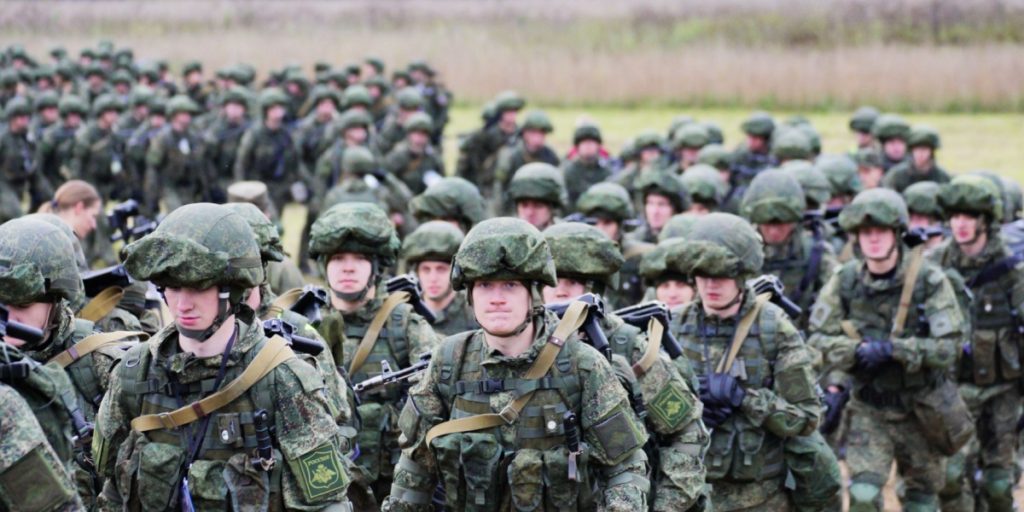
While volunteers and prisoners make up the largest confirmed groups of war dead, heavily anonymised court records show just how incomplete public data remains.
In many cases, there’s no indication of which region or unit a soldier belonged to, making it nearly impossible to form a full picture.
The invisible army grows
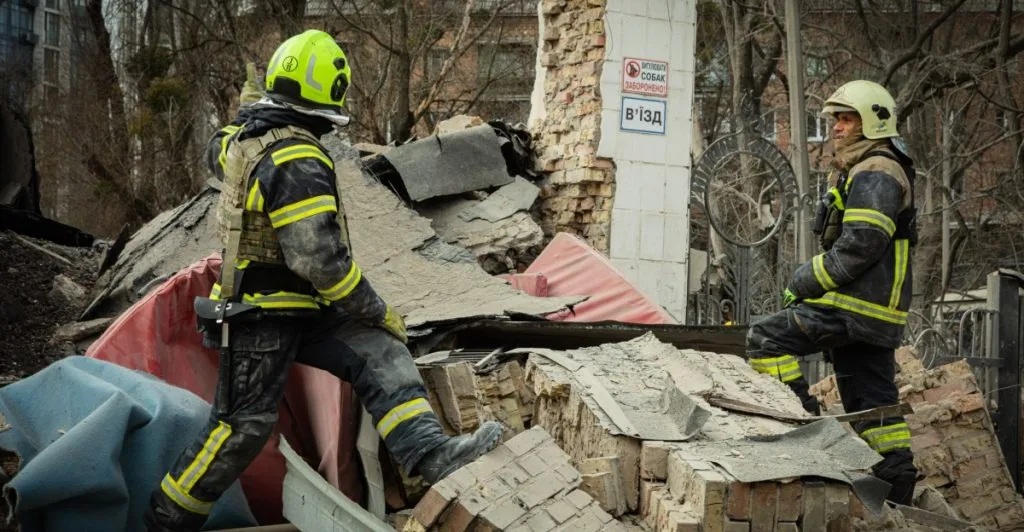
With so many soldiers missing, unreported, or delayed in official records, the human cost of the war is far greater than what Russia has admitted.
Each court ruling marks another life unaccounted for, another name quietly added to the invisible army.
Judicial recognition vs. public silence

This unprecedented wave of legal claims offers a stark contrast to the Kremlin’s narrative.
As courts silently formalise tens of thousands of disappearances, the war’s human toll becomes clearer to those paying attention, but remains largely unspoken in official channels.



