Kenneth Glad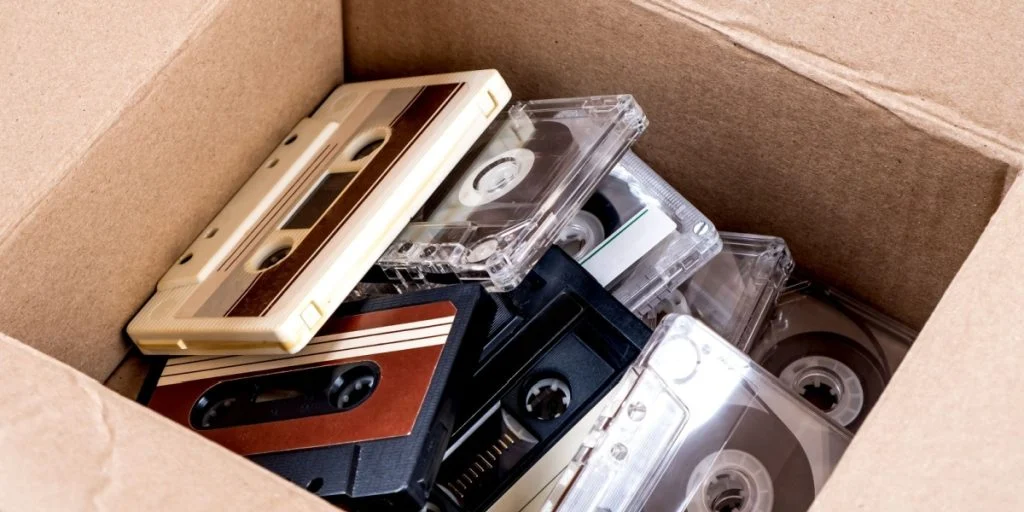
A sprawling collection of live concert recordings, once boxed away in a Chicago home, is being transformed into a digital archive. What began as one fan’s quiet habit has grown into a cross-border effort to safeguard decades of music history. As physical media fades, the project reflects a wider push to preserve cultural moments that were never officially documented.


Across basements and workrooms, aging cassette decks hum back to life. CBS News reports that volunteers in the United States and Europe are working through more than 10,000 recordings made by Aadam Jacobs over 40 years, many now at risk of decay.
The transfer process is slow by necessity. Each tape must run in full, often on repaired machines scavenged or restored for this purpose. Brian Emerick, a Chicago-area volunteer who oversees much of the tape-to-digital workflow, said: “Currently, I have 10 working cassette decks, and I run those all simultaneously.”
He has already digitized thousands of recordings, though a significant portion of the archive still waits its turn.
From hobby to archive
Long before recording concerts became effortless, Jacobs was experimenting with ways to capture live sound:


“And I eventually met a fellow who said, ‘You can just take a tape recorder into a show with you, just sneak it in, record the show.’ And I thought, ‘Wow, that’s cool.’ So I got started.”
Over time, his collection grew into an expansive, if unintentional, chronicle of alternative and underground music scenes.
Many of these performances – especially from lesser-known acts – exist nowhere else.
What once might have been dismissed as bootlegging is now being reconsidered. Archives like this offer raw, unfiltered records of live music, and for future listeners, they may serve as one of the few ways to experience scenes that were never formally preserved.
Preserving a moment
Tucked among the thousands of recordings are snapshots of artists on the cusp of wider recognition, including a 1989 Chicago performance by Nirvana.
During that show, Kurt Cobain told the audience: “Hello, we’re Nirvana. We’re from Seattle.”
Questions around ownership remain. As CBS News notes, performers technically hold the rights to such recordings, though experts suggest legal action is unlikely given the archive’s non-commercial nature.
Jacobs himself acknowledge this ambiguity, saying: “I think that the general consensus is, it’s easier to say I’m sorry than to ask for permission.”
He no longer attends concerts due to health issues, but the recordings continue to circulate – now cleaned, cataloged and shared at the Internet Archive.
And here’s the twist: What he captured wasn’t just music, it was context, atmosphere, a fleeting moment in time.
In an era where everything is recorded yet easily lost in the noise, this archive stands out for a different reason: It preserves what almost disappeared.
Sources: CBS News, Internet Archive