
 Anna Hartz
Global shipping depends on a few narrow routes that connect major markets. When one of them is disrupted, the effects can spread quickly.


Delays grow. Costs rise. And in times of tension, new risks appear for the companies moving goods across the world.
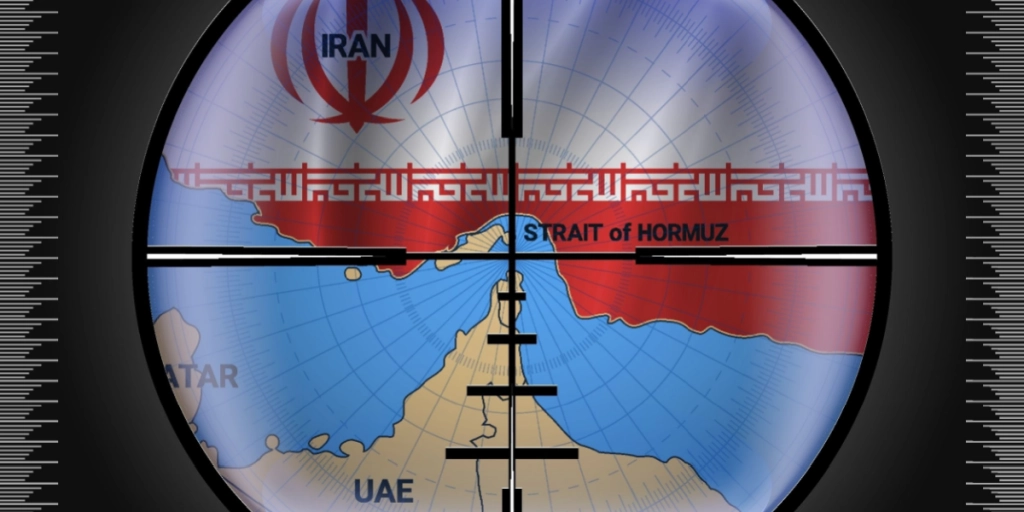
One of those key routes is the Strait of Hormuz. Recent events there have created confusion and opened the door to fraud.
Safe passage in return of crypto payment
A maritime risk company has warned that scammers are targeting ships stuck in the Persian Gulf, according to Digi24. The group says fake messages have been sent to shipping companies. These messages promise safe passage through the strait in return for payment in cryptocurrency.
The messages claim to come from Iranian authorities. They ask for payment in bitcoin or Tether before a ship can pass safely. The wording suggests that documents must be checked first. Then a fee is set. Only after payment will the ship be allowed through.


The company says these messages are not real. They are part of a scam. At least one ship appears to have trusted the message. It tried to leave the area but was later attacked by armed individuals.
A mix of real and fake rules
The situation is made more complex by real policies introduced by Iran. In late March, Iran began charging some ships large fees to pass through the strait. In some cases, ships paid and were allowed to leave.
In early April, the system became more formal. Iran said it would allow a limited number of oil tankers to pass each day. A fee was set at one dollar per barrel. Payment was to be made in cryptocurrency. Ships also needed approval from the Islamic Revolutionary Guard Corps.
Tensions increased further when the United States moved to block Iranian shipping. Iran briefly allowed free passage again. But the strait was later closed after a US military vessel stopped an Iranian container ship.
Many ships remain stuck in the region. Reports suggest that hundreds of vessels and around 20,000 sailors are still waiting. The mix of real rules and fake demands has created a dangerous and uncertain environment for global trade.



